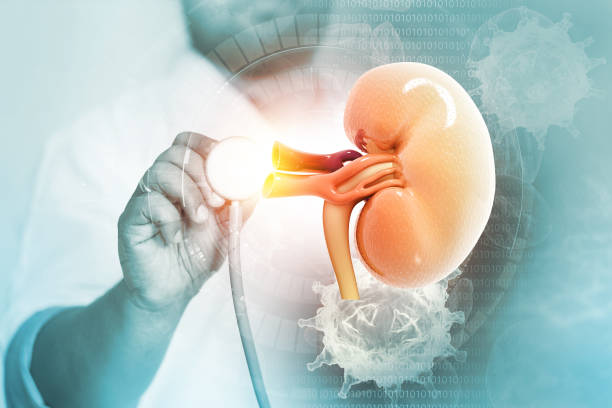
What does a nephrologist do?
A nephrologist reviews your history and examination alongside blood and urine tests. Imaging or further investigation may be needed. Follow-up is planned around your individual needs.
When is an assessment useful?
Changes in kidney function tests, protein or blood in the urine, high blood pressure and a family history of kidney disease may prompt an assessment. People with diabetes or high blood pressure should discuss kidney checks with their clinician.
Why isn’t the absence of symptoms enough?
Chronic kidney disease may have no symptoms in its early stages. Clinician-recommended blood and urine checks are therefore important for people at risk.
How do nephrology and urology differ?
Nephrology focuses on kidney function and the medical management of kidney disease. Urology also addresses urinary tract conditions and problems that may require surgery. Both specialties may work together depending on the concern.
Information sources
Visit NIDDK for general kidney health information. This content does not replace an individual medical assessment.
NIDDK · Kidney Disease NIDDK · Chronic Kidney Disease